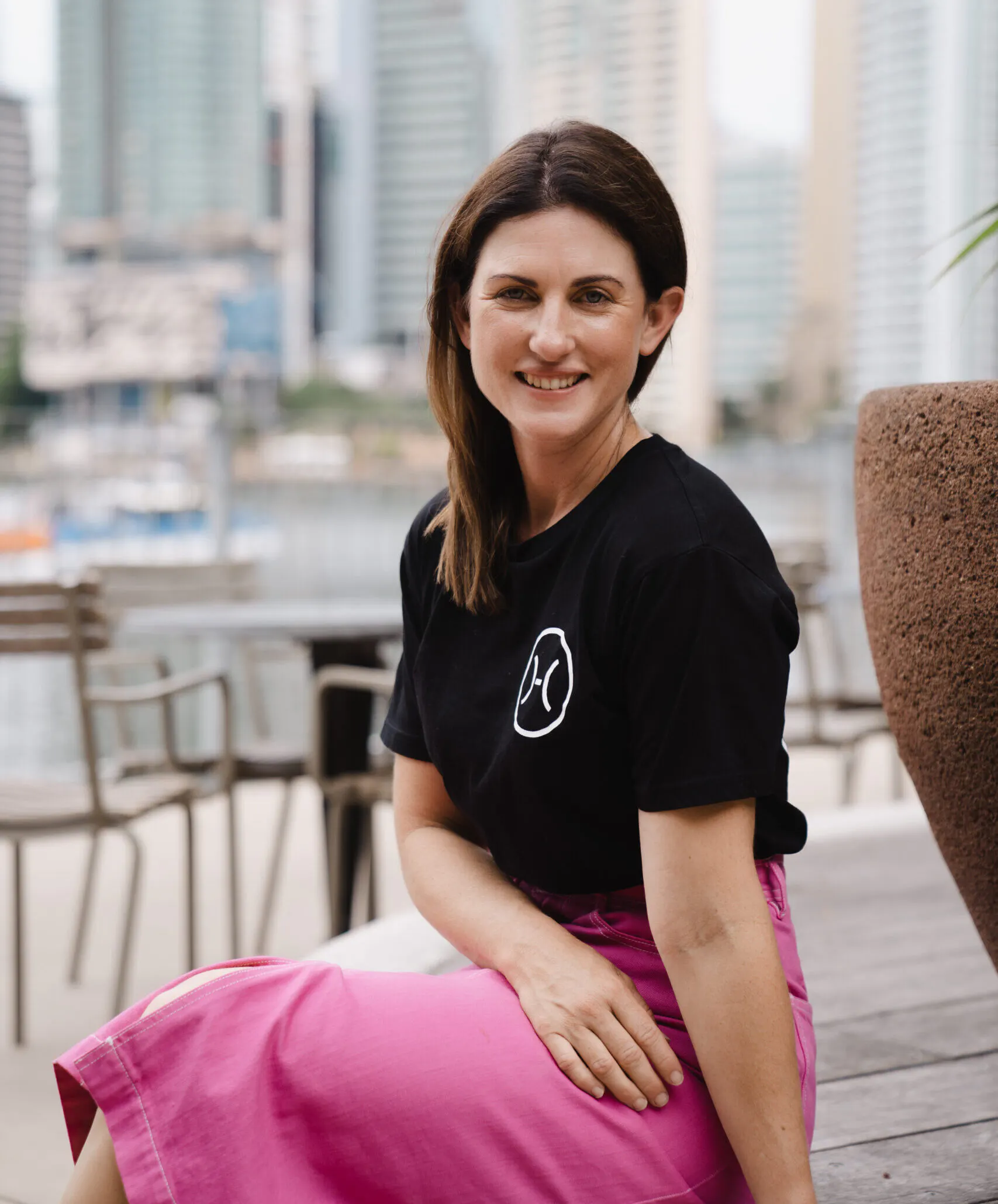
Jacqui Doyle, Head of Projects and Procurement at Helix, has been recognised in the 2026 listing of leading Queensland front-end construction and infrastructure lawyers by Doyle’s Guide.
The recognition also follows her inclusion in Best Lawyers in Australia, reflecting broader acknowledgement of her work across both front-end advisory and construction disputes within a rapidly evolving Queensland projects market.
With more than a decade of experience spanning construction litigation and project advisory, Jacqui brings a perspective shaped by how projects succeed and, importantly, how they unravel. Her work focuses on helping clients structure projects for long-term success, with an emphasis on practical risk allocation and a collaborative approach to contracting.
We spoke with Jacqui about what she is seeing across the market and how that experience is influencing the way projects are delivered.
How are clients’ expectations around procurement and delivery evolving in Queensland’s current infrastructure environment?
Jacqui: Over the past three years we’ve seen a meaningful shift in how principals approach both risk and procurement/delivery. There is growing recognition that a one-size-fits-all model (particularly the traditional lump sum D&C procurement route) is not always what is best. Instead, we’re seeing increased appetite for alternative delivery models (ECI, Construction Management, Hybrid remuneration structures within more traditional contract styles, etcetera) with principals more willing to explore collaborative and flexible contracting structures that better align with the current market conditions.
At the same time, attitudes toward risk allocation have evolved considerably. Principals no longer expect contractors to “wear it all” or simply accept heavily one-sided risk profiles. There is a broader understanding that pushing disproportionate risk down into the delivery chain can undermine pricing certainty, increase the prospect of disputes, and ultimately undermine project success. As a result, we are seeing more balanced and considered risk allocation, supported by genuine, early-stage discussions about how risk should be shared or priced.
Importantly, this shift reflects a more mature view of the contractor and subcontractor market. Contractors are increasingly seen as long-term delivery partners rather than interchangeable service providers. Principals are recognising that the sustainability of their project pipeline depends on maintaining a healthy, capable contracting market. That is driving a more collaborative tone in procurement and contract negotiation, with a focus on achieving outcomes that support all stakeholders over the life of the project, not just the principal at contract award.
What’s driving that change?
Jacqui: The previous system was broken. Contractors couldn’t manage or price risk appropriately, and that was forcing poor project outcomes, sometimes resulting in insolvencies of building contractors because they simply couldn’t wear the cost of the risk they were asked to assume.
What happens when a builder becomes insolvent halfway through a project is that you have to bring someone else in, and it can end up costing significantly more than it would have at the outset.
We’re also in a time where supply and demand is out of balance, so the number of projects compared to the number of builders available is disproportionate. Builders don’t have to accept uncommercial arrangements anymore, and principals have been forced to meet that.
What does effective collaboration look like in practice between principals, contractors and consultants?
Jacqui: It looks like more than just what’s on paper. It means being deliberate about it from the outset – understanding the project, talking about risk openly, allocating it appropriately and then administering the contract as intended.
It also means leaning into those collaborative processes. For example, early notification of issues and bringing the parties together to work through outcomes. But if the first time that happens the principal says ‘I don’t want all your notices, go away and figure that out’, then it’s not being true to the process the parties have negotiated.
It’s about understanding what collaboration looks like through the planning, drafting and execution phases, and everyone being committed to that process.
Looking ahead, what are you focusing on in your role at Helix?
Jacqui: We’re focusing on going deeper into the construction industry in terms of supporting clients not just with procurement and contracting documentation, but understanding how they can drive systemic change in the communities in which they work.
That includes not only appropriate risk allocation and making sure builders and teams come out the other side whole but also looking at how we can drive better outcomes for women, Indigenous people and small-to-medium enterprises, and recognising the power projects have to create long-term change in the community.
At a business level we’re building a team and a culture that challenges traditional ideas of what it means to be a lawyer. I’m proud to work in an environment where people are supported to be real humans outside the law, whether that’s being a dad who does the kindy drop-off and stays home when the kids are sick, someone who prioritises sport and plays a weekly game with their team, or someone who shows up for their community through committees and volunteering. We’re demonstrating that you can be a great lawyer without working 18-hour days, and that success in this profession doesn’t have to come at the expense of the rest of your life. In many ways, it feels like we’re helping to break the mould and we will continue to focus on that into the future.
What does being recognised in Doyle’s Guide and Best Lawyers in Australia mean to you at this stage of your career?
Jacqui: It means a lot. Firstly, it’s a recognition of the incredible team of lawyers that I have working with me – while it’s my name there, it really reflects the work they do day in, day out to support our clients.
On a personal level, this achievement is particularly significant. I joined Helix in 2023 after spending many years at a national firm, and when you make that move, there’s always a question in the back of your mind about whether your identity and success are tied to that firm. To now have been part of building something from the ground up, to have grown a team and, within a few short years, be delivering meaningful, high-quality and high-profile work for clients we genuinely value and align with is incredibly rewarding. It really underscores that what we’ve built stands on its own merit, and that is something I find both powerful and deeply meaningful.
Not intended as legal advice. Read full disclaimer.